

What is Zero Waste? Understanding, Benefits, and Practical Steps to Start Living a Zero Waste Lifestyle
As plastic waste and other types of pollution escalate, the concept of zero waste—a lifestyle aiming for minimal to no waste—has emerged as a solution that resonates with many. Rooted in sustainability, zero waste encourages mindful consumption, reusability, and recycling to avoid materials going to landfills. Far from being a fleeting trend, zero waste is a movement aimed at preserving the planet for future generations.
What is Zero Waste?
Zero waste is an approach that seeks to eliminate waste generation by reducing reliance on disposable items, maximizing recycling, and reusing resources. According to the Zero Waste International Alliance, the goal of zero waste is to divert all materials from landfills or incineration and instead repurpose them in environmentally safe ways.
Why Zero Waste Matters
With more than 2 billion tons of waste generated globally every year, waste pollution poses serious risks to both ecosystems and human health. Plastic waste alone takes centuries to break down, contaminating soil, water, and air while endangering marine life. By adopting a zero-waste lifestyle, we can mitigate pollution, slow climate change, and contribute positively to the environment.
In a report from the UNEP (United Nations Environment Programme), unregulated plastic waste is highlighted as one of the most significant threats to marine ecosystems. Applying zero-waste principles helps reduce plastic waste and lowers individual carbon footprints.
5 Practical Steps to Begin Your Zero-Waste Journey
If you’re ready to embark on a zero-waste lifestyle, here are some actionable steps to integrate into your daily routine:
- 1. Refuse
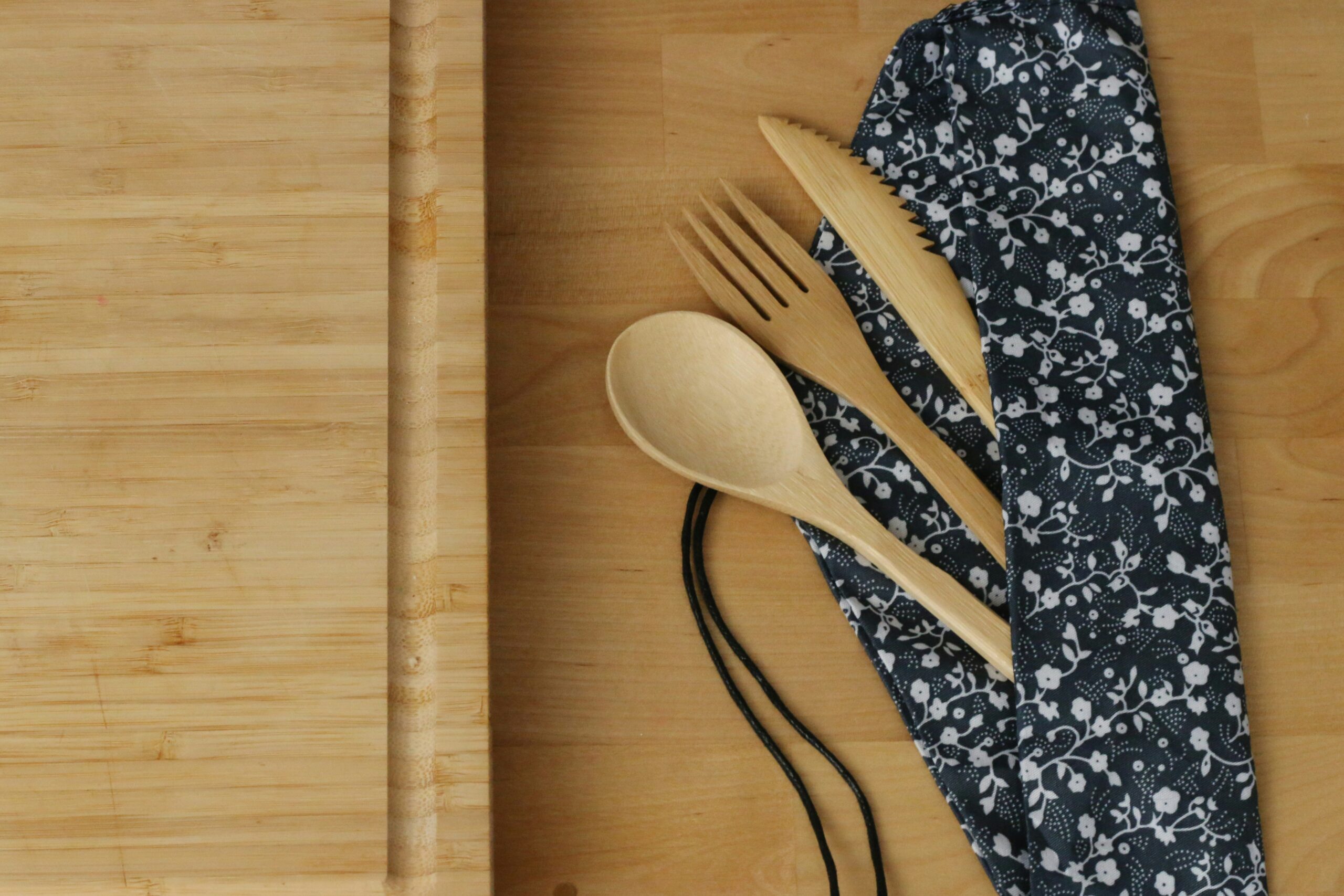
Start by refusing items you don’t need, particularly single-use products like plastic straws, plastic bags, or promotional pamphlets that quickly become waste. For example, carry your reusable bottle or stainless steel straw to avoid using disposable ones.
- 2. Reduce
Lower your consumption of unnecessary items, such as fast fashion or products with excessive packaging. Opting for quality over quantity helps cut waste over time. Choose eco-friendly or plastic-free packaging whenever possible.
- 3. Reuse
One of the simplest ways to live zero-waste is by reusing items. Bring a cloth bag for shopping or your container for takeout. Reusable items like glass bottles, food containers, and long-lasting plastic containers can help you reduce waste.
- 4. Recycle
While zero waste prioritizes waste prevention, recycling is an essential step to handle items that cannot be reused. Properly recycle plastics, paper, and metals according to local guidelines to ensure they’re processed correctly.
- 5. Rot (Compost)
Organic waste, like food scraps, can be composted and used as natural fertilizer. Composting organic waste helps cut down the amount sent to landfills and produces nutrient-rich soil.
Positive Impacts of Adopting a Zero-Waste Lifestyle
Embracing a zero-waste lifestyle benefits both the environment and personal well-being. Here are some of its advantages:
1. Reduces Environmental Pollution
2. Conserves Natural Resources
3. Helps Combat Climate Change
4. Encourages Healthier Lifestyles
5. Saves Money
Next Post
Leave a Reply