

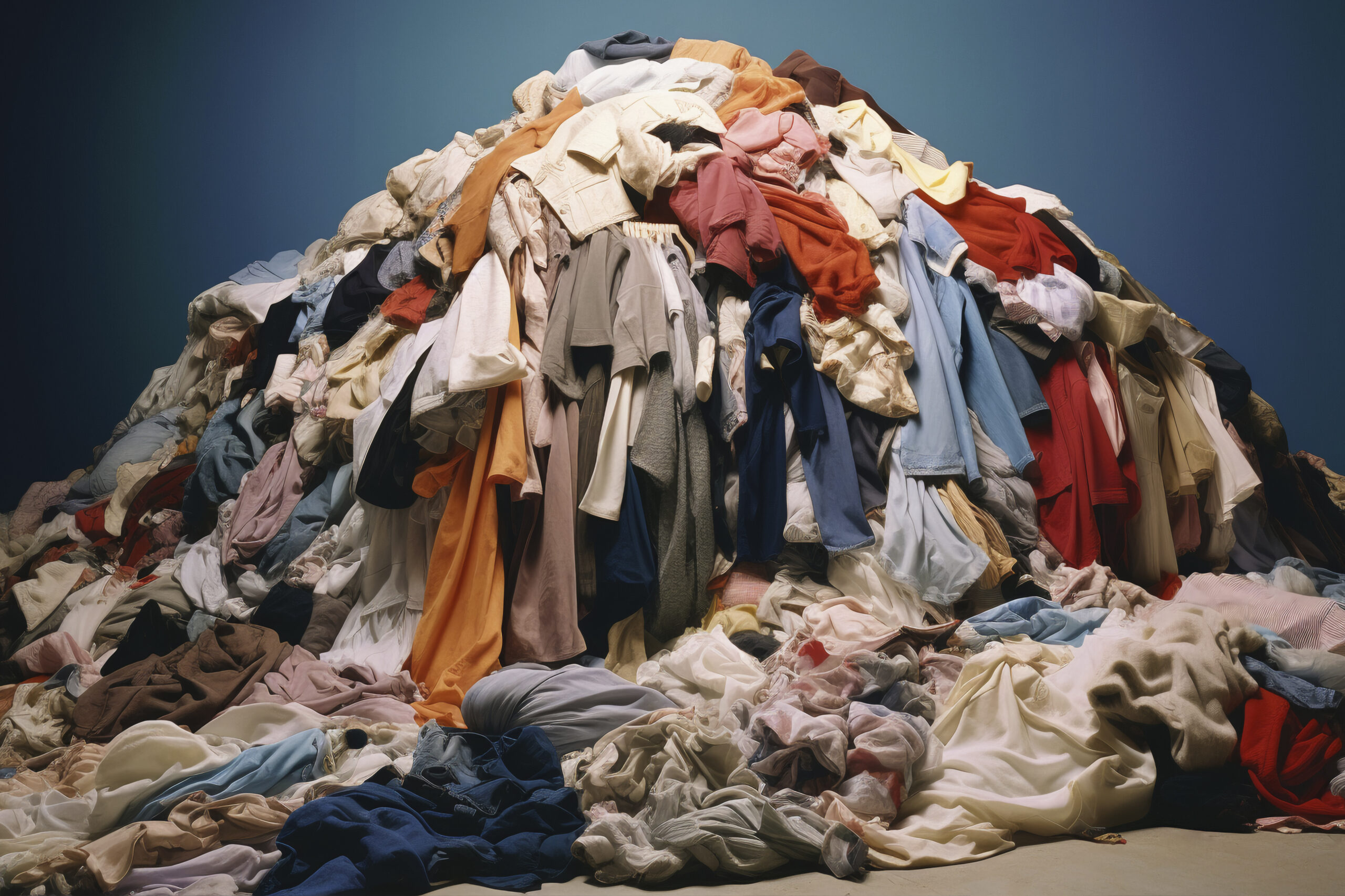
Is Sustainable Fashion the Future Solution or Just a Trend?
Amid the rapidly evolving fashion industry, a movement has emerged that seeks to offer a long-term solution for the environment: sustainable fashion. This trend is not only a more ethical and eco-friendly lifestyle choice but also a response to the harmful impacts caused by conventional fashion, especially fast fashion. However, the pressing question remains: Is sustainable fashion just a fleeting trend, or is it a lasting solution that can endure?
What Is Sustainable Fashion?
Sustainable fashion refers to the design, production, and consumption of clothing that prioritizes environmental and social sustainability. It encompasses various aspects, such as using eco-friendly materials, minimizing waste during production, and ensuring fair and ethical treatment of workers throughout the supply chain. Essentially, sustainable fashion aims to reduce the negative impacts of the fashion industry on the planet and its people.
Why Is Sustainable Fashion Important?
The conventional fashion industry has a large carbon footprint. According to data from the United Nations Environment Programme (UNEP), the fashion industry is responsible for around 10% of global carbon emissions annually and consumes 93 billion cubic meters of water. Moreover, synthetic textiles like polyester and nylon, commonly used in fast fashion, take hundreds of years to decompose, causing microplastic pollution in oceans and soils.
On the other hand, the production of natural fibers such as cotton requires significant land and water resources. Additionally, the textile dyeing process often involves harmful chemicals that damage ecosystems. Consequently, the fashion industry is currently one of the largest contributors to the global environmental crisis.
In response to these challenges, sustainable fashion aims to address these issues by promoting the use of eco-friendly materials like recycled fabrics, organic fibers produced with sustainable methods, and safer dyeing processes that minimize environmental harm.
Sustainable Fashion: More Than Just a Trend?
Many may wonder if sustainable fashion is merely a trend driven by temporary awareness or a shift in consumer behavior. However, the evidence suggests that it is more than just a trend.
- Changing Consumer Demand
Consumers, especially Generation Z and Millennials, are becoming increasingly aware of environmental and social issues. According to a McKinsey & Company survey, over 60% of young consumers now consider sustainability before making a purchase. They are not only interested in how the clothes look but also in the story behind the product—from the origin of the materials to the working conditions in the factories.
- The Role of Sustainable Fashion Brands
Brands like Hempsantara, a leading sustainable fashion brand in Indonesia, play a crucial role in educating the market about the importance of responsible consumption. By using organic and recycled materials, Hempsantara is committed to reducing its carbon footprint and mitigating the environmental impact of the fashion industry. The brand also encourages consumers to be mindful of clothing waste and choose long-lasting items instead of following fast fashion trends.
How Can Sustainable Fashion Last Long-Term?
Several key factors enable sustainable fashion to remain a long-term solution:
- Material and Technological Innovation
New materials like hemp, Tencel (a wood-based fiber produced with far less water than cotton), and bamboo fiber have become more eco-friendly alternatives. Technological innovations such as 3D printing and chemical recycling also have the potential to transform the fashion industry, reducing waste and increasing production efficiency.
- Business Model Transformation
Brands with an environmental focus are moving away from mass production toward business models that support responsible consumption. For example, many sustainable fashion brands now adopt a made-to-order concept, producing only what is ordered, which reduces excess inventory and unnecessary waste.
- Government Awareness and Regulations
More countries are beginning to implement regulations that require fashion brands to meet sustainability standards. For instance, in the European Union, new circular economy laws are being applied across various sectors, including fashion. This provides an incentive for more brands to adopt sustainable practices.
Hempsantara’s Role in Sustainable Fashion
As a pioneer of sustainable fashion in Indonesia, Hempsantarastrives not only to produce eco-friendly clothing but also to educate consumers on the importance of sustainability in fashion. Using organic materials, low-waste production techniques, and campaigns to raise consumer awareness of the environmental impact of fashion, Hempsantara plays a vital role in strengthening the sustainable fashion movement in Indonesia.
The brand also focuses on timeless designs, avoiding rapidly changing trends and ensuring that every product is designed for long-term use. Additionally, by considering work ethics and worker welfare, Hempsantara sets an example of how sustainable fashion can also contribute to better working conditions along the supply chain.
Conclusion: Sustainable Fashion Is the Future
While some may still view sustainable fashion as a trend, it is, in fact, a tangible step toward a more responsible future for the fashion industry. With more brands committed to reducing their negative impact on the environment and consumers becoming more conscious of where their clothes come from, sustainable fashion has great potential to endure and grow as a long-term solution to preserving the planet.
Hempsantara, as a key player in this industry, strives to lead this change by creating products that are not only good for the planet but also for increasingly mindful consumers.

Leave a Reply