


The Hidden Threat of Microplastics Endangering Marine Ecosystems and Our Lives
Behind the convenience of plastic in our daily lives lies a significant and often overlooked threat—microplastics. These tiny particles, less than 5 millimeters in size, have become one of the most pressing environmental challenges of the 21st century. Although invisible to the naked eye, microplastics wreak havoc on oceans, endanger wildlife, and ultimately pose risks to human health.
Microplastics come from a variety of sources, including cosmetic products, synthetic clothing, and the degradation of larger plastic waste. Today, we face an urgent microplastic crisis, with billions of tons of plastic polluting oceans and lands. This article will explore in-depth how microplastics damage the environment, their impact on marine ecosystems, and the steps we can take to reduce this issue.
The Origins of Microplastics: From Households to Oceans
Microplastics originate from various products we use daily. One major source includes microbeads found in face scrubs, toothpaste, and other cosmetic items. Additionally, synthetic clothing like polyester and nylon releases microplastic fibers every time they’re washed. These fibers flow into water systems and eventually reach the oceans.
The biggest threat, however, comes from large plastic debris breaking down into smaller particles. Since plastic doesn’t biodegrade naturally, it continually degrades in the environment, releasing microplastics into water, air, and soil.
Microplastics’ Impact on Marine Ecosystems
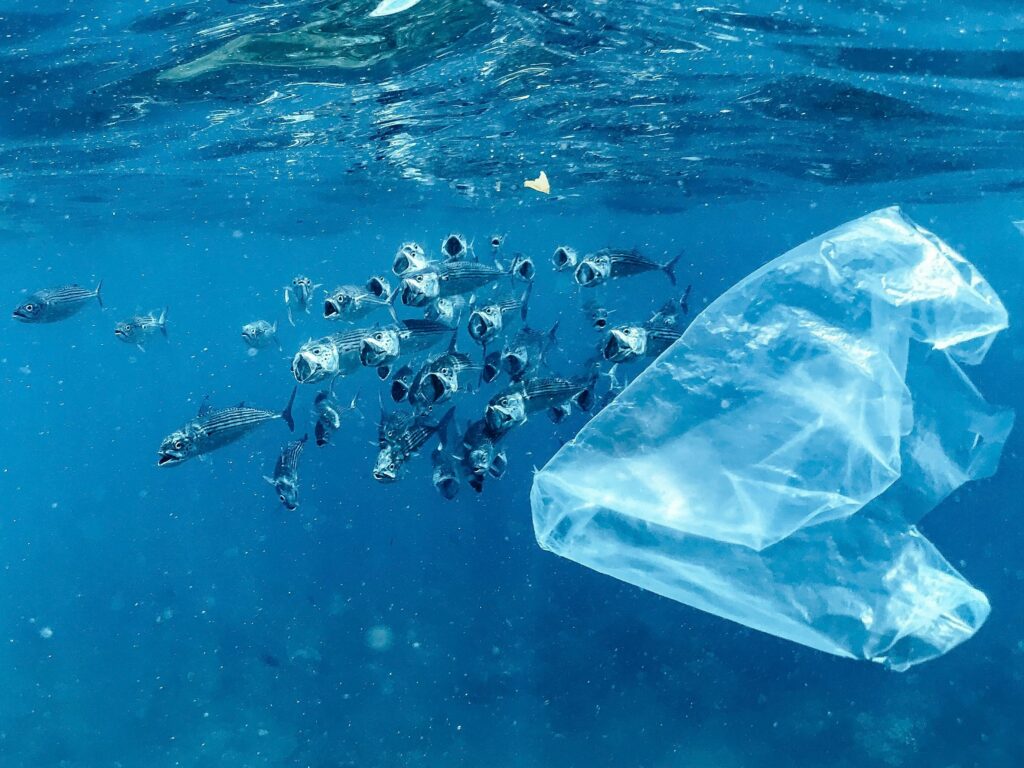
The world’s oceans have become dumping grounds for millions of tons of plastic waste. Annually, around 8 million tons of plastic enter the seas, much of which breaks down into microplastics. These particles float on the ocean surface, settle on the seabed, or get ingested by marine organisms.
One of the most alarming effects of microplastics is their impact on marine life. Many species, including fish, turtles, seabirds, and marine mammals, inadvertently consume microplastics while foraging. Microplastics can cause digestive issues, reduce appetite, and even lead to death due to malnutrition. In some cases, these plastics enter the human food chain through contaminated seafood.
Additionally, microplastics absorb harmful chemicals such as pesticides, heavy metals, and other organic pollutants. When these contaminated microplastics are ingested by marine organisms, toxins accumulate in their tissues, threatening the health of entire marine ecosystems.
The Effects of Microplastics on Human Health
It’s not only marine ecosystems at risk—microplastics also pose potential dangers to human health. These tiny particles have been detected in drinking water, seafood, sea salt, and even the air we breathe. Some research suggests that ingesting microplastics can cause inflammation, hormone disruption, and other health problems. However, more studies are needed to fully understand how microplastics affect the human body.
Though much remains unknown about the long-term health effects of microplastics, the potential risks cannot be ignored. As the amount of microplastics contaminating our environment increases, it’s crucial to take preventive measures now before the situation becomes harder to manage.
Steps to Reduce the Microplastic Crisis
Addressing the microplastic crisis requires collaboration from individuals, governments, and industries. Here are some actions we can take to reduce the impact of microplastics on the environment:
- 1. Reduce Single-Use Plastic
One of the most effective ways to combat microplastics is by reducing single-use plastics like plastic bags, water bottles, and straws. Replacing plastic with eco-friendly alternatives such as cloth bags, stainless steel bottles, and bamboo utensils can make a significant difference.
- 2. Encourage Eco-Friendly Product Innovation
Industries should take proactive steps in creating environmentally friendly products that decompose naturally. For example, some companies have started replacing microbeads in cosmetics with natural materials like fruit seeds or sea salt.
- 3. Prevent Plastic Waste from Entering the Oceans
Governments and communities must work together to manage plastic waste more efficiently, preventing it from ending up in oceans. Measures such as improving waste management systems, conducting regular beach cleanups, and reducing plastic production are part of the solution.
- 4. Develop Technologies to Filter Microplastics
Several technological innovations have been developed to filter microplastics from water before they reach oceans. Better filters on washing machines and advanced wastewater treatment technologies can help reduce the amount of microplastic fibers entering the environment.
- 5. Public Education and Awareness Campaigns
One crucial step in fighting the microplastic crisis is educating the public about its dangers and encouraging them to take action. Public campaigns that raise awareness about the impact of microplastics can drive eco-friendly behavioral changes.
Conclusion
The microplastic crisis is a severe threat to both marine ecosystems and human health, but everyone can contribute to reducing its impact. By taking small steps—such as cutting down on single-use plastics, supporting eco-friendly innovations, and participating in awareness campaigns—we can protect our oceans and planet from the growing microplastic threat. The time to act is now, before it’s too late.

Leave a Reply