


Global Plastic Waste Problem: How We Can Reduce Plastic Usage
Plastic has become an integral part of our modern lives. Every day, we use plastic in various forms—from water bottles to food packaging, from household items to electronics—all of which contribute to the growing global plastic waste crisis. Single-use plastic, in particular, is a major driver of this issue. While plastic has made life more convenient, its long-term environmental impact is alarming.
Plastic waste has become one of the biggest threats to our planet, mainly because it takes hundreds of years to break down. As of 2024, more countries, communities, and individuals are taking steps to reduce plastic usage and embrace a plastic-free lifestyle to mitigate its harmful effects on the environment and marine ecosystems.
Shocking Facts About Global Plastic Waste
The plastic waste problem is a crisis we can no longer ignore. Every year, over 380 million tons of plastic are produced globally, and most of it is used just once and then discarded. Since 1950, only 9% of all plastic produced has been recycled. The rest clogs our oceans, pollutes our environment, and even enters the food chain in the form of microplastics. According to The Ellen MacArthur Foundation, if current trends continue, by 2050, the oceans will contain more plastic than fish by weight.
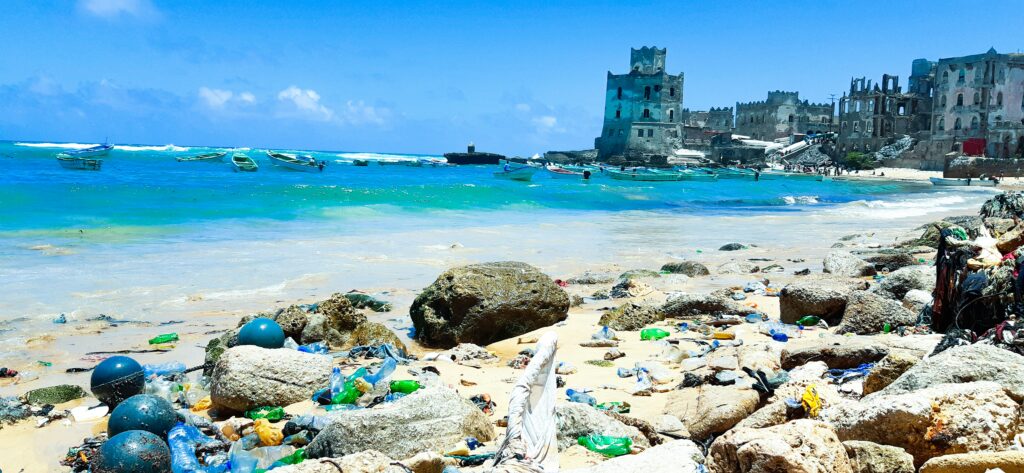
Single-use plastic is a real threat. Items such as plastic bottles, bags, food packaging, and straws are used briefly but leave a lasting impact on environmental pollution for hundreds of years. Every minute, over one million plastic bottles are purchased, and 91% of those are never recycled. The World Economic Forum reveals that approximately 50% of all plastic produced is for single-use purposes, meaning it’s discarded within minutes to hours after being used.
The oceans are one of the most affected ecosystems by plastic pollution. According to the UN Environment Programme (UNEP), about 8 million tons of plastic waste enter the oceans annually. This waste floats on the surface, litters beaches, and contaminates crucial marine ecosystems. A recent study by National Geographic found the “Great Pacific Garbage Patch”, an area filled with plastic waste, covering a space twice the size of Texas in the Pacific Ocean.
Moreover, plastic in the oceans breaks down into small particles known as microplastics. These are dangerous not only because they pollute the environment but also because they enter the food chain. Marine animals such as fish and birds often ingest microplastics unknowingly, leading to serious health problems and even death. Microplastics have also been found in our drinking water, food, and even the air we breathe. Research published in Frontiers in Chemistry indicates that humans could ingest up to 50,000 microplastic particles annually through food and drink alone.
Impact on Marine Life and Humans
Plastic not only pollutes the environment but also harms marine ecosystems and human health. Many marine animals, including turtles, seabirds, fish, and marine mammals, often mistake plastic for food. The Turtle Island Restoration Network reports that over 1 million seabirds and 100,000 marine mammals die each year from entanglement or ingestion of plastic.

Inside these animals, plastic cannot be digested, causing blockages in their digestive systems, leading to starvation, poisoning, and death. For example, turtles often eat plastic bags, mistaking them for jellyfish, their primary food source. Additionally, plastics contain harmful chemicals like BPA (Bisphenol A) and phthalates, which can leach into water, posing health risks to animals and humans alike.
For humans, exposure to chemicals in plastic can have adverse health effects. BPA has been linked to severe health problems, including hormonal disruption, infertility, obesity, and even cancer. Microplastics, when consumed through food and water, may have long-term effects on human health that are still not fully understood.
Simple Steps to Reduce Plastic Usage
Although the challenges we face are immense, every individual can contribute to reducing plastic waste. Small actions can lead to significant change when adopted by many. Here are a few practical ways to start living a plastic-free lifestyle:
- 1. Reduce the Use of Plastic Bags
Billions of plastic bags are used worldwide every year. Simple habits like carrying reusable shopping bags or totes made from eco-friendly materials can significantly cut down the use of single-use plastic bags. The Plastic Pollution Coalition reports that by carrying your own bag, you can reduce the use of over 500 plastic bags annually.
- 2. Avoid Plastic Straws
Plastic straws are one of the most common plastic waste items found on beaches and in oceans. Eco-friendly alternatives like stainless steel, bamboo, or paper straws can help minimize this waste. Greenpeacereports that more than 500 million plastic straws are used daily in the U.S. alone.
- 3. Use Reusable Water Bottles
Plastic water bottles are a significant contributor to plastic waste. By using a refillable water bottle, we can reduce the number of plastic bottles discarded each day. The Earth Day Network estimates that over 1 million plastic bottles are bought every minute worldwide, and 91% of them are not recycled.
- 4. Choose Products with Eco-Friendly Packaging
When shopping, try to choose products with recyclable or biodegradable packaging. Many companies are now switching to paper or glass-based packaging, which is more environmentally friendly than plastic.
- 5. Recycle the Plastic You Use
Although recycling is not the ultimate solution to the plastic problem, it remains a crucial step in managing plastic waste. Ensure that recyclable plastic is properly separated and sent to recycling facilities. Additionally, look for recycling programs in your area and actively participate in them.

The Role of Industry and Government in Tackling the Plastic Crisis
Alongside individual responsibility, industries and governments play a significant role in addressing the plastic crisis. Many countries have begun to impose bans on plastic bags or implement plastic taxes to reduce single-use plastic consumption. The European Union, for instance, banned several single-use plastic products, such as straws, plates, and cotton swabs, in 2021.
Industries are also innovating by seeking alternative solutions for plastic packaging. Companies like Unilever and Coca-Cola have committed to reducing virgin plastic use and increasing the use of recycled materials in their products. These companies are also investing in bioplastics, a type of plastic made from organic materials that decompose more easily.
Conclusion
The global plastic waste crisis requires action from all stakeholders—individuals, industries, and governments alike. However, everyone has the power to initiate change. Small steps, such as carrying reusable bags or using refillable water bottles, may seem insignificant, but when practiced by millions, the impact is enormous. This planet is the only home we have, and it’s time to take action to protect it.


1 Comment
Leave a Reply
Hempsantara Stories | » The Hidden Threat of Microplastics Endangering Marine Ecosystems and Our Lives
October 22, 2024 at 9:19 am
[…] biggest threat, however, comes from large plastic debris breaking down into smaller particles. Since plastic doesn’t biodegrade naturally, it […]