

Mangroves: Coastal Guardians and a Key Player in Combating Climate Change
Mangrove forests not only serve as vital habitats for diverse species of flora and fauna, but they also play a crucial role in coastal protection and climate change mitigation. Found in tropical and subtropical regions, mangroves shield coastal areas from natural disasters such as storms, tsunamis, and floods, while also absorbing carbon emissions responsible for climate change. However, this critical ecosystem is under threat due to human activities and global environmental changes.
What Are Mangroves?
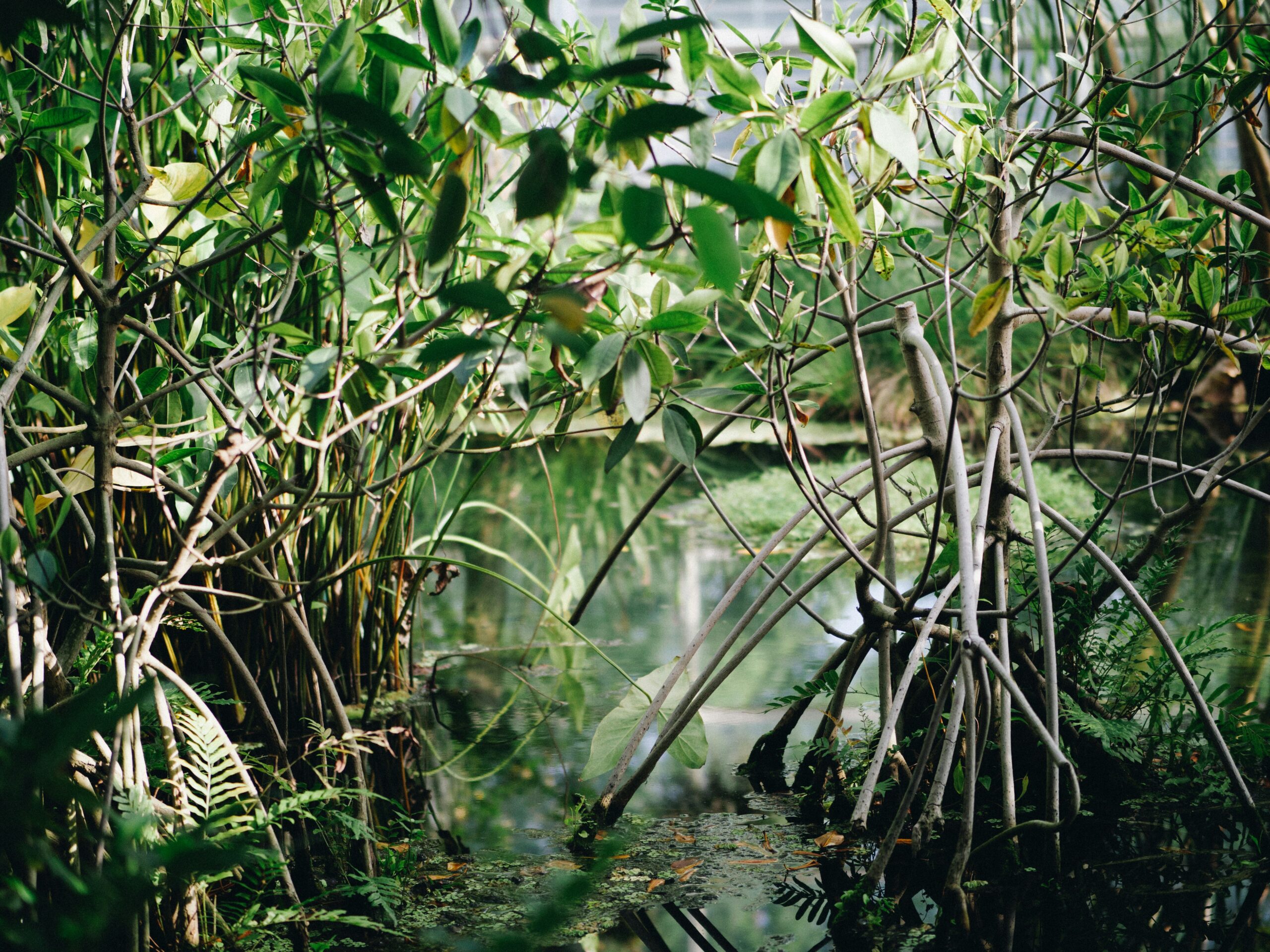
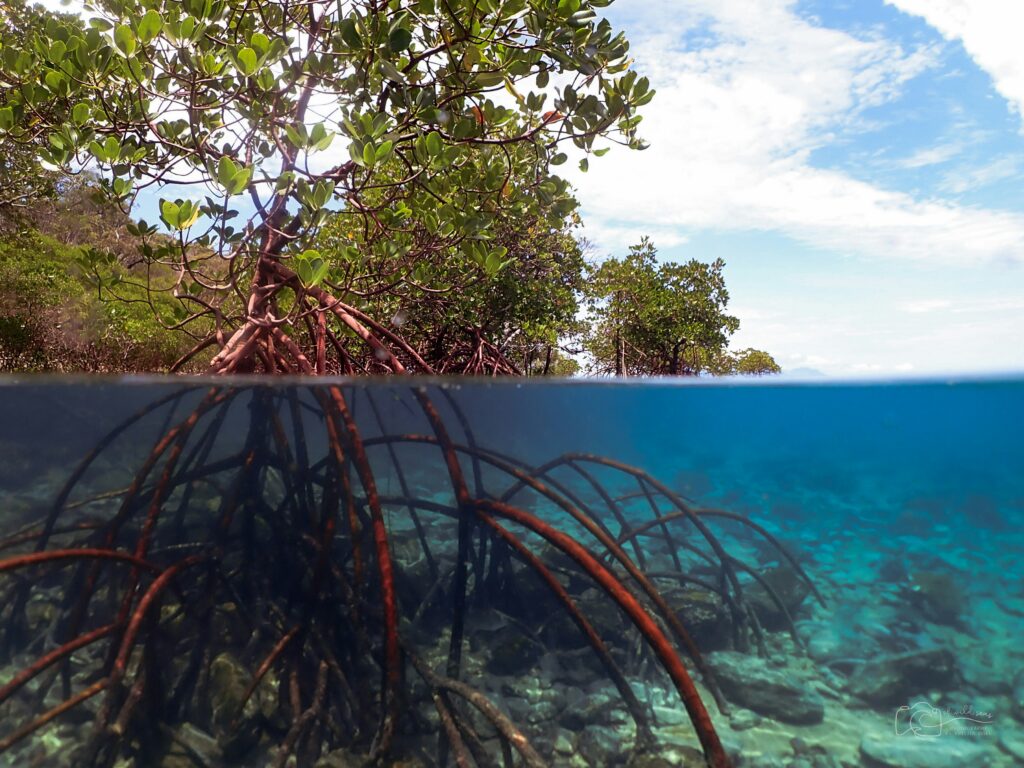
Mangroves are forests that thrive in saline waters, typically found in estuaries, lagoons, and coastal regions. Species like Rhizophora, Avicennia, and Sonneratia have unique adaptations that allow them to survive in high salinity, waterlogged soil, and muddy conditions. Their exposed root systems enable them to absorb oxygen in environments with low air availability.
According to the World Atlas of Mangroves, Indonesia boasts the largest mangrove forest in the world, covering more than 3 million hectares, representing 23% of the global mangrove area.
Mangroves and Their Carbon Absorption Capabilities
Mangroves are among the most efficient ecosystems for carbon storage. Not only do they absorb carbon from the atmosphere, but they also sequester it in their biomass and the soil they stabilize. This makes mangroves one of the best natural solutions for combating climate change.
A study published in Nature Geoscience reveals that mangroves can store up to 1,023 metric tons of carbon per hectare, which is three to five times more than tropical rainforests. However, when mangroves are destroyed, the carbon stored is released into the atmosphere, contributing to increased emissions.
Mangroves also play a role in the marine carbon cycle. According to the Blue Carbon Initiative, mangroves, along with seagrass beds and salt marshes, store about ten times more carbon per hectare than terrestrial forests.
Protection from Natural Disasters
In addition to climate change mitigation, mangroves act as natural barriers against natural disasters. Their dense root systems reduce the speed and strength of waves before they reach the shore, minimizing the risk of damage from storms, cyclones, or even tsunamis. Research from the Journal of Coastal Research suggests that mangroves can dissipate up to 66% of storm wave energy.
Moreover, mangroves help prevent coastal erosion by stabilizing the surrounding soil. Coastal regions that have lost their mangrove forests often experience severe erosion, which can negatively impact infrastructure and the livelihoods of communities living near the coast.
Biodiversity in Mangrove Ecosystems
Mangroves serve as homes for thousands of marine and terrestrial species. Their aerial roots create habitats for fish, shrimp, and crabs, while seabirds often use the branches for nesting. This ecosystem is also crucial for the life cycle of many commercially important species, including fish that rely on mangroves for spawning and feeding.
According to the Food and Agriculture Organization (FAO), more than 75% of tropical commercial fish species use mangrove forests at some stage of their life cycle. This makes mangrove ecosystems essential for the global fishing industry, especially in developing countries where the sector is a primary source of income.
Threats Facing Mangroves
Despite their importance, mangroves face serious threats from human activity. Land conversion for shrimp farming, agriculture, and infrastructure development has led to the loss of millions of hectares of mangroves. Global Mangrove Watch reports that about 35% of the world’s mangroves have been lost since the 1980s.
Climate change also poses a threat to mangroves. Rising sea levels due to global warming can submerge mangrove forests that lack the time to adapt to changing conditions. Additionally, pollution from plastic waste and chemicals endangers the survival of this ecosystem, damaging habitats for species that depend on mangroves.
Solutions for Protecting and Restoring Mangroves
Mangrove conservation efforts require immediate and collaborative action. Many countries, including Indonesia, have implemented legal measures to protect mangrove ecosystems from unsustainable exploitation. Mangrove restoration programs are also underway in various parts of the world, aiming to replant mangroves in areas that have been degraded.
A study in the Proceedings of the National Academy of Sciences suggests that mangrove restoration projects can effectively rehabilitate these ecosystems in a short period, provided that the environmental conditions are favorable. Moreover, community-based approaches are key to long-term success. Local communities often possess traditional knowledge that can aid the restoration process, and they have a direct interest in the sustainability of mangroves for their livelihoods.
Conclusion
Mangrove forests are one of our most important defenses against the impacts of climate change and natural disasters. They store vast amounts of carbon, protect coastlines from storms and erosion, and support biodiversity essential for marine and terrestrial life. Although they face significant threats, hope lies in effective conservation and restoration efforts. Through global cooperation and local action, we can ensure that mangrove forests remain a natural solution for maintaining climate balance and protecting life on Earth.

Leave a Reply