


Global Water Crisis: Countries Facing Water Shortages in 2024
Climate change is no longer an abstract environmental issue; it is a reality that threatens the lives of millions worldwide. One of the most concerning impacts of the global climate crisis is the worsening water crisis, which is projected to escalate in 2024. An increasing number of countries are expected to face severe water shortages, raising alarm about humanity’s access to freshwater resources in the future.
Water Shortages: A Widening Crisis
Water is a vital resource for human life, ecosystems, and industries. However, recent reports from the World Resources Institute (WRI) indicate that over 25% of the global population now resides in areas experiencing high levels of water scarcity. Climate change exacerbates this issue by altering weather patterns, changing river flows, and causing longer and more intense droughts in various regions.
Extreme drought and declining groundwater reserves have become acute problems in several countries. Some areas are already in crisis, while others are predicted to face serious threats to their water sources without mitigation measures.
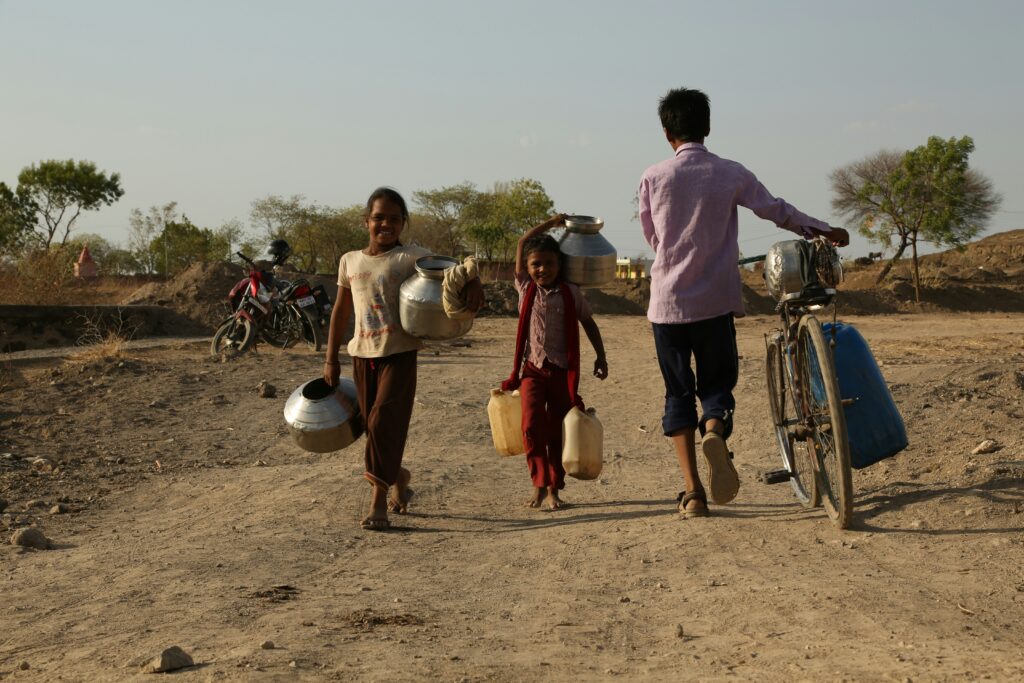
Countries Affected by the Water Crisis in 2024
- 1. India
India, with a population exceeding 1.4 billion, is facing one of the world’s largest water crises. According to a report from NITI Aayog, approximately 600 million people in the country will experience severe water scarcity. This is primarily due to a significant decline in groundwater levels resulting from uncontrolled water use, compounded by increasingly prolonged droughts.
Various initiatives are being undertaken to raise public awareness about the importance of water conservation, including the government campaign “Jal Shakti Abhiyan.” However, significant challenges remain.
- 2. South Africa
In 2018, Cape Town nearly reached “Day Zero”, the day when the metropolitan area almost ran out of water. Although Cape Town managed to avert a total crisis, the situation remains highly vulnerable. In 2024, South Africa’s water availability is further threatened due to a combination of prolonged drought and failing infrastructure.
The South African government plans to introduce desalination technology and more water storage projects, but these require considerable time and financial resources.
- 3. Australia
Australia is known as one of the driest countries in the world, and its water challenges are worsened by climate change. In 2024, western and central Australia is experiencing the worst drought on record, threatening the water supply for agriculture and major cities.
Current water management in Australia focuses on more efficient water storage systems and technological innovations in agricultural irrigation.
- 4. Iran
Iran is facing one of the worst water crises globally. Widespread drought, poor water management, and increased consumption have exacerbated the situation. By 2024, Iran is experiencing a crisis that threatens water supplies for both agricultural and urban needs.
Large-scale protests regarding water shortages have begun in various parts of the country, and the government’s inability to address these issues has heightened political tensions.
- 5. United States
Despite being a developed nation, the United States is not immune to the water crisis. The western part of the country, including California, Nevada, and Arizona, faces ongoing droughts, threatening the water reserves of Lake Mead and the Colorado River, which are essential for the region’s water supply.
Local and federal governments have introduced various water conservation policies and storage projects, but climate change-induced extreme weather makes this crisis increasingly difficult to manage.
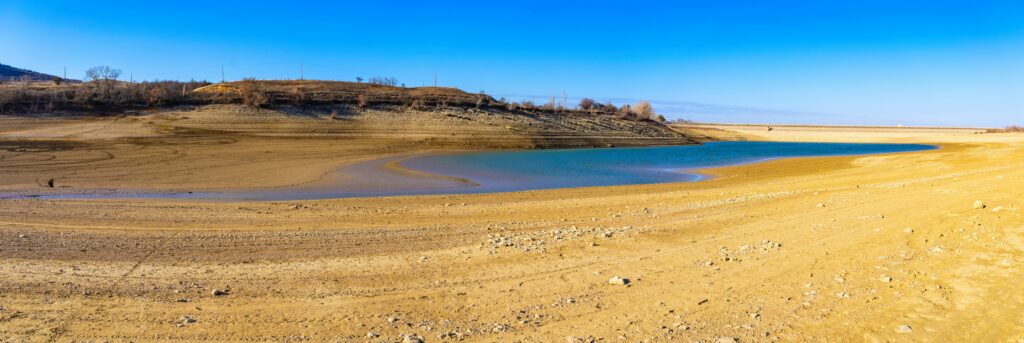
Causes of the Prolonged Water Crisis
- 1. Climate Change
Climate change is the primary driver behind the global water shortage. The water crisis in 2024 is exacerbated by rising temperatures due to climate change, which accelerates evaporation from the ground and worsens drought conditions. Irregular rainfall patterns lead to prolonged droughts in some regions while causing floods in others, creating an increasingly unmanageable water imbalance for many countries.
- 2. Unsustainable Water Use
Overconsumption of water for agriculture, industry, and domestic needs significantly contributes to this crisis. Countries with large agricultural industries, such as India, Australia, and the United States, are experiencing drastic declines in groundwater reserves, gradually leading to a larger crisis.
- 3. Increasing Population
With the global population continuing to rise, the demand for clean water is skyrocketing. Many major cities worldwide struggle to maintain adequate water supplies to meet domestic and industrial needs, leading to a demand that far exceeds availability.
Solutions to Address the Water Crisis
To combat this escalating water crisis, concrete steps must be taken by governments, industries, and individuals alike.
- 1. Improved Water Conservation and Management
Water conservation should be a top priority, especially in countries vulnerable to water shortages. Measures such as using water more efficiently in agriculture and industry and implementing community conservation campaigns are crucial for reducing pressure on water resources.
- 2. Desalination and Water Treatment Technologies
Desalination technology, which converts seawater into freshwater, could be a long-term solution for countries near coastlines facing water shortages. Although the technology is still expensive, some countries, like Saudi Arabia and Australia, have begun to utilize it.
Reforestation and Watershed Protection
Forestsand wetlands play a crucial role in maintaining water balance within ecosystems. Reforestation and protecting watersheds can help restore natural water cycles, reducing the risk of droughts and floods.
Public Education and Awareness
Educating the public about the importance of water conservation and how they can contribute to reducing water consumption is essential. Strong community education campaigns can lead to significant behavioral changes in daily water use.
Conclusion
The global water crisis is one of the greatest challenges facing the world today, with its impacts increasingly felt across various countries in 2024. With climate change continuing to worsen water availability, collaborative efforts between governments, industries, and society are imperative. Every small action, from home water conservation to large technological innovations, contributes to combating this crisis. If we do not act promptly, the threat of water shortages will not only jeopardize the survival of ecosystems but also global social and economic stability. It is our shared responsibility to protect the most valuable resource for life—water.


Leave a Reply