


The Butterfly Effect: How Small Actions Can Impact the Environment
In the field of physics, there’s a concept known as the Butterfly Effect. This term refers to the idea that a butterfly flapping its wings in one place can cause significant changes elsewhere.
The concept of the Butterfly Effect comes from chaos theory, first proposed by meteorologist Edward Lorenz in the 1960s. Lorenz accidentally discovered this while simulating weather patterns. He noticed that small changes in initial data could lead to vast differences in the final results. In a 1963 paper, he mentioned that minor variations—like a butterfly flapping its wings in Brazil—could cause a tornado in Texas. This metaphor illustrates how highly complex and dynamic systems, like weather, are sensitive to initial conditions.
Since then, the Butterfly Effect has become a metaphor used to describe how small actions can lead to significant outcomes in complex systems like ecosystems, climate, or even human lives. Today, the world faces numerous environmental challenges such as climate change, pollution, deforestation, and ocean acidification. These issues might seem overwhelming for individuals to address. However, the Butterfly Effect reminds us that no action is too small to make a significant impact. Every decision we make can contribute to a broader chain of change. This article will explore how daily small actions can have a profound impact on the environment and the future of our planet.
Understanding the Butterfly Effect in Environmental Actions
The Butterfly Effect teaches us that in complex and interconnected systems, small changes in one element can lead to large impacts elsewhere. In the context of the environment, these systems include global ecosystems, the carbon cycle, and climate change. Every human action—whether it’s littering, reducing single-use plastic, or choosing public transportation—affects the environment as a whole.
For instance, choosing to use a reusable water bottle not only reduces plastic waste in the immediate environment but also helps decrease the demand for plastic production. Every small step we take to reduce energy consumption, minimize waste, or support sustainable products becomes part of a larger global movement to protect the planet.

Small Actions That Impact the Environment
- 1. Reducing Single-Use Plastics
Single-use plastic is one of the largest contributors to ocean pollution. Each year, millions of tons of plastic waste end up in the oceans, endangering marine life and damaging ecosystems. By taking simple actions like bringing reusable shopping bags or using stainless steel straws, we can help reduce the amount of plastic entering the environment. While this may seem insignificant, imagine millions of people worldwide doing the same—the effect would be substantial.
- 2. Saving Energy by Using Energy-Efficient Appliances
Global warming is largely caused by the rise in greenhouse gas emissions, which are produced by the burning of fossil fuels for electricity. By switching to energy-efficient appliances like LED bulbs or turning off electronics when not in use, we can reduce carbon emissions. Efficient energy use by individuals will cumulatively have a large impact on reducing global energy demand and emissions.
- 3. Choosing Environmentally Friendly Transportation
Transportation is one of the largest contributors to global carbon emissions. Every time we choose to walk, bike, or use public transport, we help reduce the carbon footprint generated by private vehicles. While it may seem like a small personal decision, widespread adoption of such habits could significantly impact global carbon emissions.
- 4. Reducing Meat Consumption
Meat production, especially beef, is a major source of greenhouse gas emissions. Cattle farming requires vast amounts of land, large water resources, and emits significant methane, a potent greenhouse gas. By reducing meat consumption or shifting towards a plant-based diet, we can significantly cut our carbon footprint and curb deforestation, which often happens to make way for livestock farms.
The Butterfly Effect on a Global Scale
Now imagine if small actions like reducing single-use plastics, conserving energy, or cutting down on meat consumption were adopted by millions of people around the world. The cumulative effect of these actions could change the world. As we begin to adopt more environmentally friendly habits, market demand for sustainable products will rise, encouraging industries to innovate and produce in greener ways.
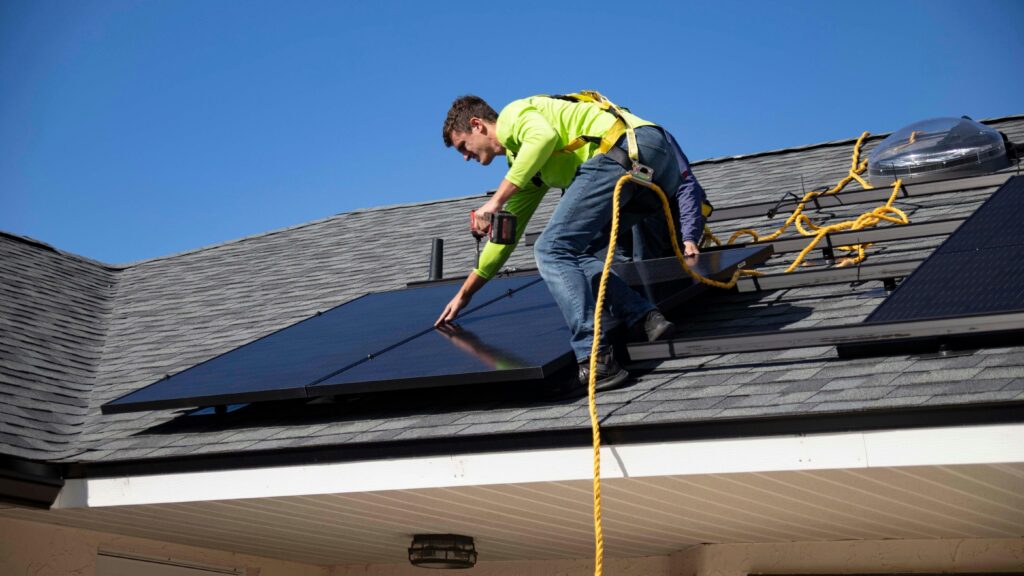
For example, the increasing global demand for renewable energy, such as solar and wind power, has encouraged governments and major energy companies to shift their investments from fossil fuels to clean energy. This is one example of how small changes initiated by consumers can drive significant changes at the industrial and governmental levels.
Collective Action for a Better Future
The Butterfly Effect reminds us that individual actions cannot be underestimated. While one action might not be enough to save the world, thousands or even millions of collective actions have the potential to create significant positive change. The global community needs to understand that we are all part of an interconnected system, and every decision we make affects that system.
This awareness has fueled the rise of environmental movements driven by individuals and communities. Campaigns like #ZeroWaste or #FridaysForFuture, led by young activist Greta Thunberg, show how individual actions can ignite global movements to combat climate change. These movements remind us that we all play a role in protecting the environment, and even the smallest actions can have far-reaching consequences.
The Role of Education in Changing Habits
One of the most effective ways to drive significant environmental change is through education. By providing a deeper understanding of the environmental impact of our actions, people will be more motivated to take small steps in their daily lives that help protect the planet.
In many schools, environmental education and climate change have become part of the curriculum. This offers hope that future generations will be more aware of their responsibility to care for the environment. On the other hand, social media also plays a key role in spreading awareness and information about environmental issues, reinforcing the message that small actions can have a big impact.
Conclusion: Every Action Counts
The world is facing many environmental challenges that may seem too large and daunting. However, we must not underestimate the impact of our small actions. The Butterfly Effect teaches us that small changes in one part of the world can trigger large changes elsewhere. This means that every individual has the potential to influence the planet’s direction towards a more sustainable future.
We may not be able to stop climate change by simply reducing plastic use or switching to public transport, but these small actions, when combined with millions of others doing the same, can create extraordinary change. The future of our planet is in our hands, and every small step towards environmental protection is a big step towards a better world.


1 Comment
Leave a Reply
Hempsantara Stories | » Hottest Year of 2024: Rising Global Temperatures and Its Impact on Ecosystems and Human Life
October 8, 2024 at 7:51 am
[…] holds more moisture, resulting in heavier rainfall when it condenses. On the other hand, prolonged droughts are becoming more frequent in areas already vulnerable to water […]