

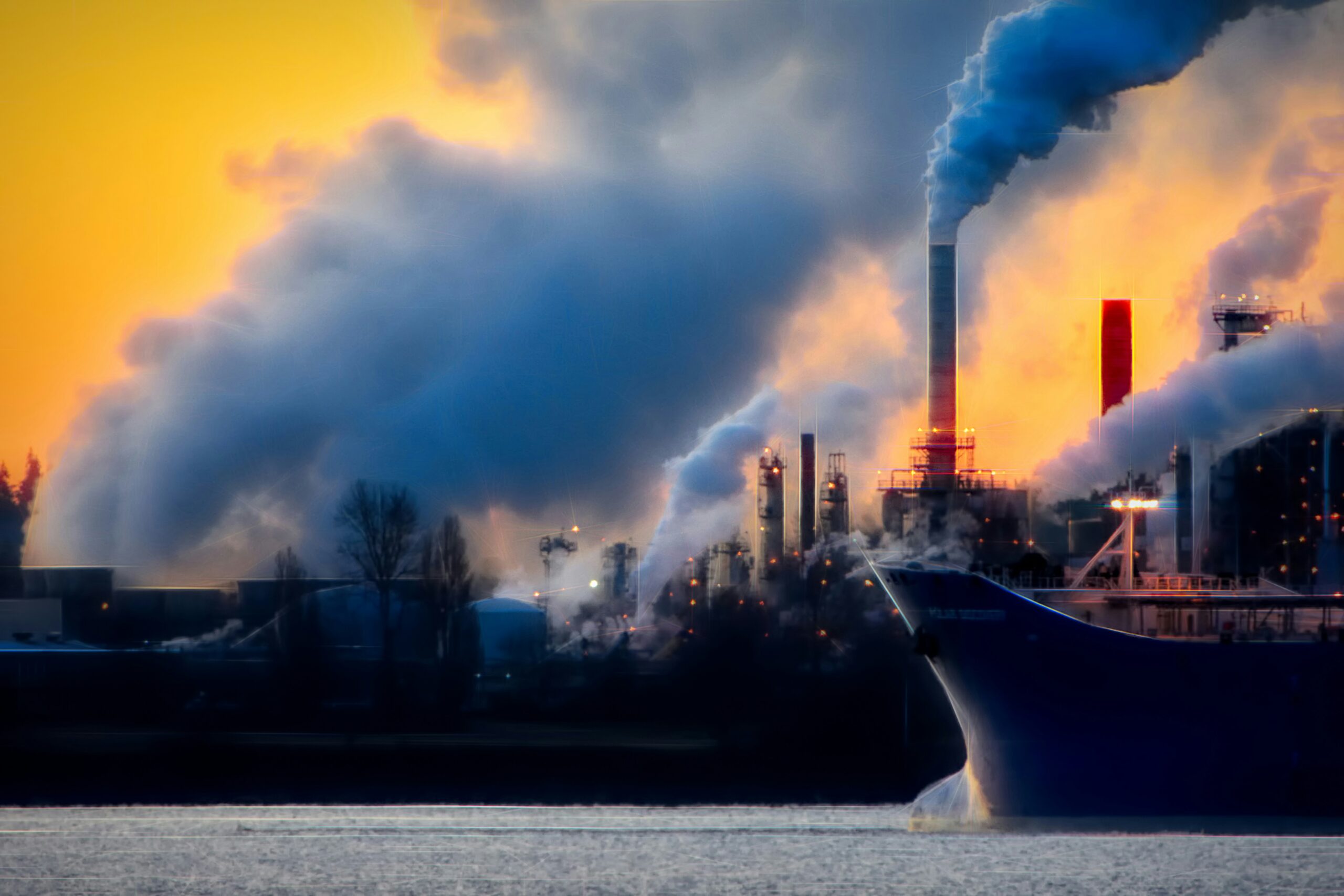
From Global Warming to Global Boiling: An Intensifying Climate Crisis and Its Impact on Our Planet
What is Global Warming?
Global warming has been a significant issue since the late 19th century. This term refers to the increase in the Earth’s average surface temperature due to the concentration of greenhouse gases like carbon dioxide (CO2) and methane (CH4) in the atmosphere. These gases trap heat from the sun, preventing it from escaping back into space, thus causing the planet to warm. The primary sources of these gases are human activities, such as burning fossil fuels and deforestation.
In the past few decades, global temperatures have risen by approximately 1.1°C, and the consequences are already visible. This temperature rise has led to extreme weather events, biodiversity loss, and major threats to global ecosystems.
From Global Warming to Global Boiling: A More Urgent Crisis
In July 2023, United Nations Secretary-General António Guterres introduced a new term: global boiling. This term highlights how global temperatures are rising much faster than predicted, leading to more extreme consequences than those seen with global warming.
Guterres pointed out that 2023 marked the hottest month on record, and we are no longer facing gradual global warming but have entered a phase of global boiling. This situation has led to more frequent heatwaves, larger wildfires, and increased climate-related disasters.
Certain regions, such as Southern Europe, the Middle East, and the United States, have experienced temperatures above 45°C, with thousands of people dying due to heatwaves.
The Impacts of Climate Change from Global Boiling
- 1. Extreme Heatwaves
Heatwaves have become more frequent and intense due to global boiling. In 2023, record-high temperatures were recorded in parts of the world, such as Spain and Italy, where temperatures soared to 48°C. This led to health crises where hospitals were overwhelmed by patients suffering from heatstroke. Long-term, persistent heatwaves will damage ecosystems, reduce crop yields, and threaten the survival of communities in tropical regions.
- 2. Flooding and Other Natural Disasters
Warming oceans are intensifying storms and floods. In coastal areas like Bangladesh and parts of the U.S., rising sea levels and increased flooding have displaced tens of thousands of people annually. Natural disasters are also straining economies, particularly in developing nations that are the most vulnerable to climate impacts.
- 3. Water Crisis and Food Security
As global temperatures rise, weather patterns are changing drastically, causing prolonged droughts in some areas and floods in others. Agriculture, which relies on stable weather conditions, is significantly affected. The UN’s Food and Agriculture Organization (FAO) reported that prolonged droughts in East Africa left 20 million people on the brink of starvation in 2023. Meanwhile, regions such as Latin America and South Asia have faced floods that destroyed farmland, reducing global food production.
- 4. Wildfires
Wildfires have become one of the most serious threats from global boiling. In 2023, Canada experienced one of the worst wildfire seasons in its history, burning over 10 million hectares of land. These fires not only destroy forests, which act as carbon sinks, but they also harm millions of people’s health due to the spread of smoke across borders, reaching as far as the U.S. and Europe.
Why Is Global Boiling Happening?
The main cause of global boiling is the increasing concentration of greenhouse gases. The latest report from the Intergovernmental Panel on Climate Change (IPCC) warns that the current rate of greenhouse gas emissions is unsustainable, and drastic action is needed to prevent global temperatures from rising more than 1.5°C.
Additionally, the continued burning of fossil fuels for energy, transportation, and industry contributes to this crisis, while efforts to reduce emissions are often hindered by economic interests. Many developed nations have high per capita emissions, while developing nations, which are more vulnerable to climate disasters, lack the resources to respond quickly.
Solutions to Tackle Global Boiling
- 1. Transition to Renewable Energy
Renewable energy sources, such as solar and wind power, are the key to reducing dependence on fossil fuels. Governments around the world must accelerate the adoption of clean energy by promoting policies that encourage investment in this sector. Expanding access to renewable energy technology is also crucial, particularly for developing nations.
- 2. Marine and Forest Ecosystem Management
Forests and oceans are natural carbon sinks that play a vital role in maintaining climate balance. Preserving and restoring these ecosystems can help absorb the increasing levels of carbon emissions. Mangrove restoration and tropical forest reforestation are proven solutions that have shown significant benefits.
- 3. Adapting to Climate Change
Alongside mitigation, adaptation is a crucial step in dealing with global boiling. Nations need to invest in more climate-resilient infrastructure, including better water management systems and more robust agricultural practices. With the right adaptation strategies, we can mitigate the worst effects of the climate crisis.
Conclusion
We are no longer facing a gradual global warming threat but have entered a more dangerous era of global boiling. This phenomenon is accelerating the impacts of climate change, triggering more intense natural disasters, and threatening the health and livelihoods of millions worldwide. Heatwaves, wildfires, floods, and food insecurity are just some of the challenges we are grappling with today.
To prevent further damage and slow down the pace of global boiling, collective, urgent action is needed. The use of renewable energy, ecosystem restoration, and sustainable resource management are critical solutions that must be prioritized. The global community must unite in climate change adaptation and mitigation efforts to prevent even more catastrophic outcomes for future generations.
As individuals, we also play a key role in fighting this crisis. Simple actions such as reducing carbon emissions, supporting green energy, and participating in environmental movements can contribute to the larger solutions needed to address the threats we face today. Every small action counts towards the larger goal of combating the climate crisis.


Leave a Reply